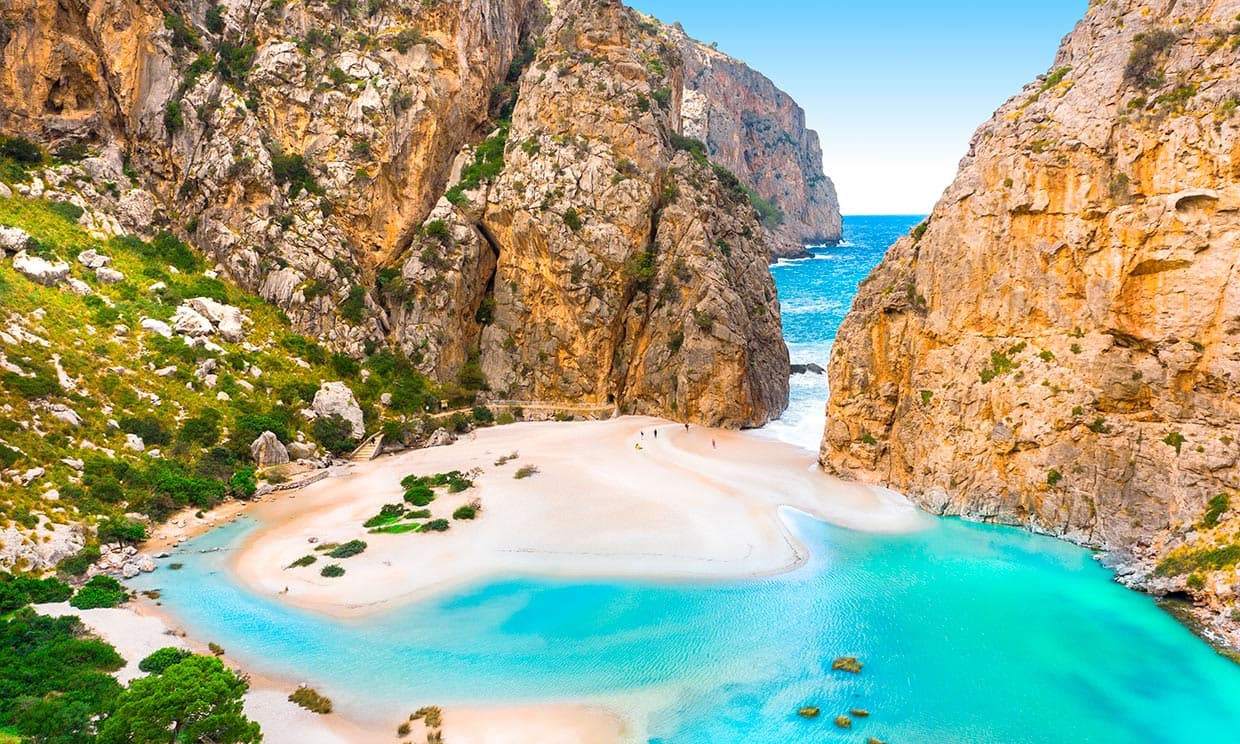
Torrent de Pareis
A deep limestone canyon carved by water that opens directly into the Mediterranean Sea. Walking the pebble beach allows you to view the towering rock walls from below.
Walk through the final tunnel to reach the canyon mouth.
The boat journey to Sa Calobra threads between limestone cliffs and turquoise coves along Mallorca's northwest coast. Most departures run from Port de Sóller, with select routes from Alcúdia during the summer season. This guide covers departure windows, what happens on board, and how to plan your return.
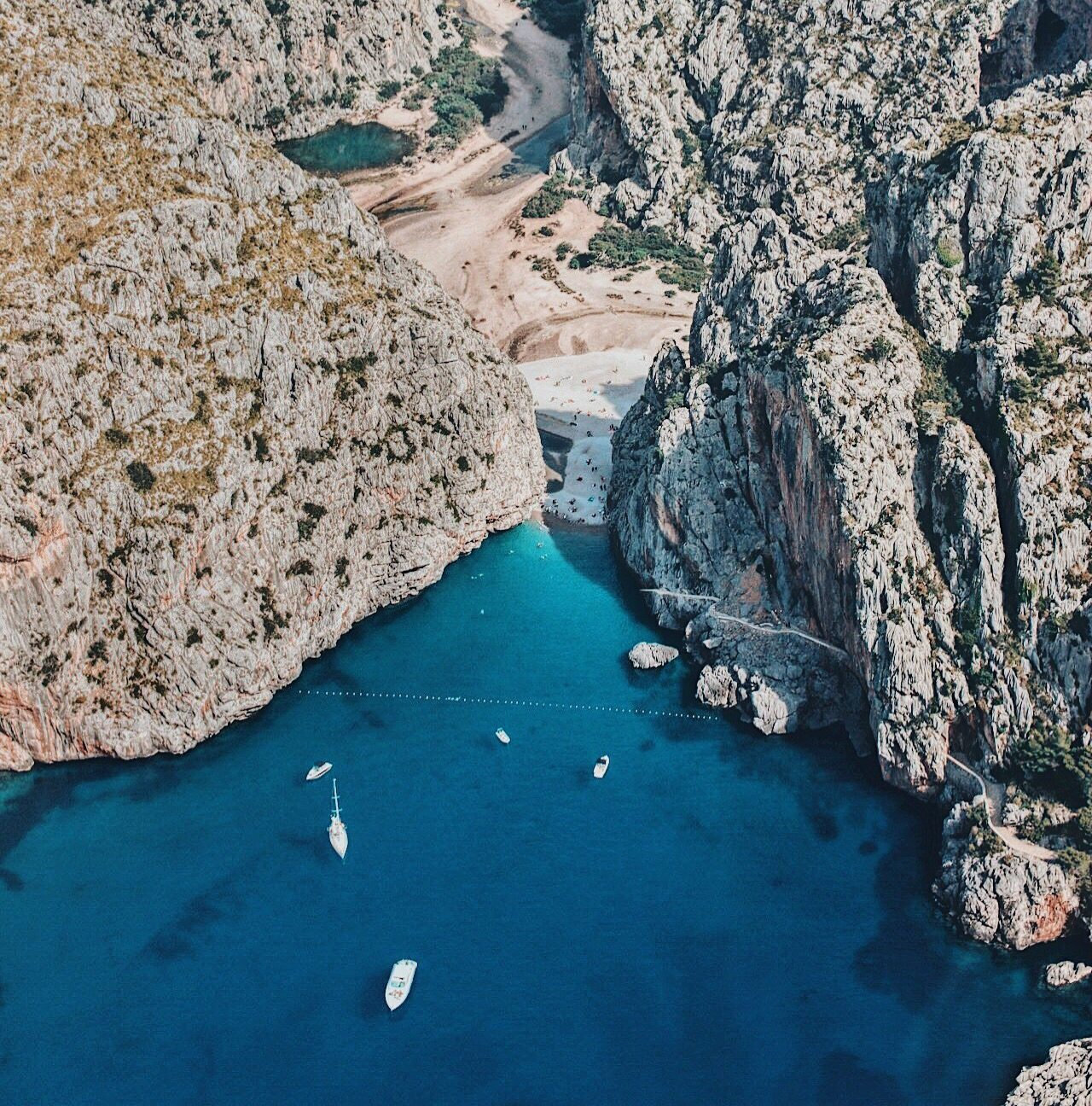
Quick answer
Boats to Sa Calobra operate daily from 09:50 to 16:40, with most sailings departing Port de Sóller between 10:00 and 11:30. The crossing takes 50 to 75 minutes depending on sea conditions and the number of photo stops. Operators include Barcos Azules, which runs the most frequent schedule. Return sailings depart Sa Calobra every 90 minutes, with the final boat leaving at 16:40.
The coastal approach to Sa Calobra reveals the cove's geography in a way the mountain road cannot. Passenger ferries and catamarans hug the Serra de Tramuntana shoreline, passing beneath cliffs that drop 200 meters into the Mediterranean. On calm mornings, the water near Cala Tuent turns translucent green, and captains often idle the engines for five minutes so passengers can photograph the rock formations. Most sa calobra boat tour mallorca departures originate at Port de Sóller, a natural harbor 30 kilometers north of Palma. The Barcos Azules fleet operates the primary route, with vessels holding between 100 and 250 passengers. Boarding begins 15 minutes before departure from the quayside near the Tramuntana ferry terminal. Tickets are sold at the booth marked with blue awnings or online through the operator's site at barcosazules.com. A smaller number of seasonal routes depart Alcúdia on the island's northeast coast, adding an hour to the crossing but including views of Cap de Formentor. The outbound journey includes commentary in Spanish, Catalan, English, and German, pointing out landmarks like the Mola de s'Esclop ridgeline and the entrance to Torrent de Pareis canyon. Deck seating fills quickly in summer; the shaded lower cabin offers relief when the sun is high. Most boats dock at Sa Calobra for 90 minutes to two hours, enough time to walk the tunnel to the beach, wade in the river mouth, and return for the scheduled departure. The cove itself is free to enter, though food and water cost significantly more than in Sóller, so most passengers bring supplies. Return schedules are posted on a board at the landing pier. Missing the final 16:40 sailing means arranging a taxi up the mountain road or waiting until the next morning, as public buses do not serve Sa Calobra after 17:00. The boat excursion Mallorca route works in reverse for travelers staying in Alcúdia or the northeast, with morning departures timed to reach the cove before tour buses arrive via land. Wind and swell can delay or cancel sailings, particularly in spring and autumn when northwesterly storms move through the Balearic Sea.
“The coastal approach reveals the cove's geography in a way the mountain road cannot.”
The boat tour service to Sa Calobra operates on a consistent daily schedule throughout the week. Travelers can plan their trips according to these standard operating hours.
Access to the natural site of Sa Calobra and the Torrent de Pareis canyon is free of charge. Commercial boat tours operate as independent services with their own fare structures.
Verdict: There is no entrance fee to visit the site, though boat transport costs vary based on the specific route and service provider chosen.
Sa Calobra is located in the municipality of Escorca, accessible via a winding mountain road or by sea. Boat tours offer a direct approach to the cove, bypassing the complex driving route through the Serra de Tramuntana.
Port de Sóller to Sa Calobra
MA-10 to MA-2141
If traveling by car, be prepared for narrow, winding roads with limited parking near the entrance. Utilizing a boat tour provides a reliable arrival method that lands directly at the jetty near the canyon entrance.
Arriving by boat reveals the dramatic geological landscape of Sa Calobra, centering on the mouth of the Torrent de Pareis canyon and its adjoining cove. These natural formations define the experience of the coastline.
A deep limestone canyon carved by water that opens directly into the Mediterranean Sea. Walking the pebble beach allows you to view the towering rock walls from below.
Walk through the final tunnel to reach the canyon mouth.
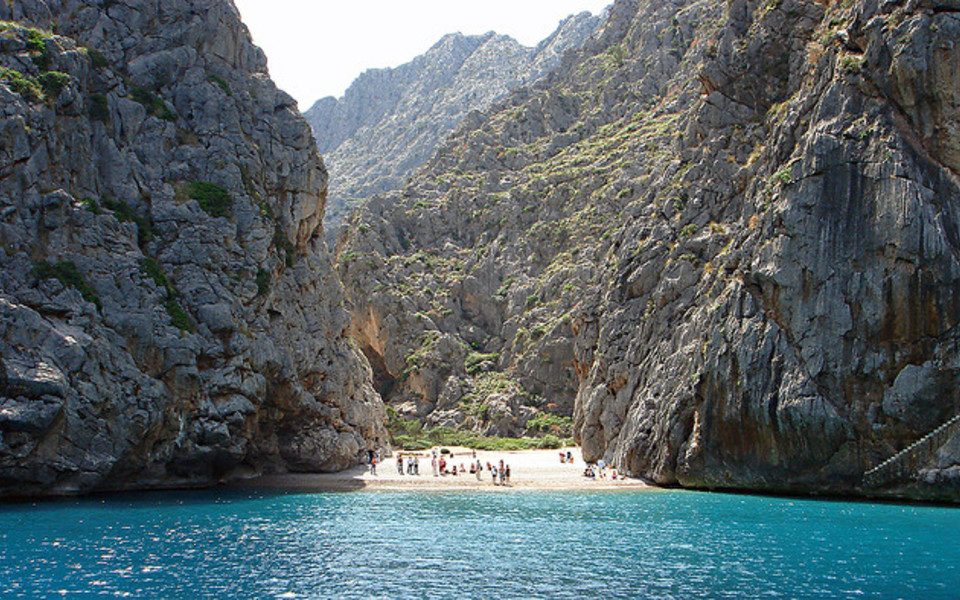
A small, sheltered beach tucked between two massive cliffs accessible by the water. It offers a distinct perspective of the rugged Tramuntana mountain range.
Visit the shoreline early to observe the water clarity.
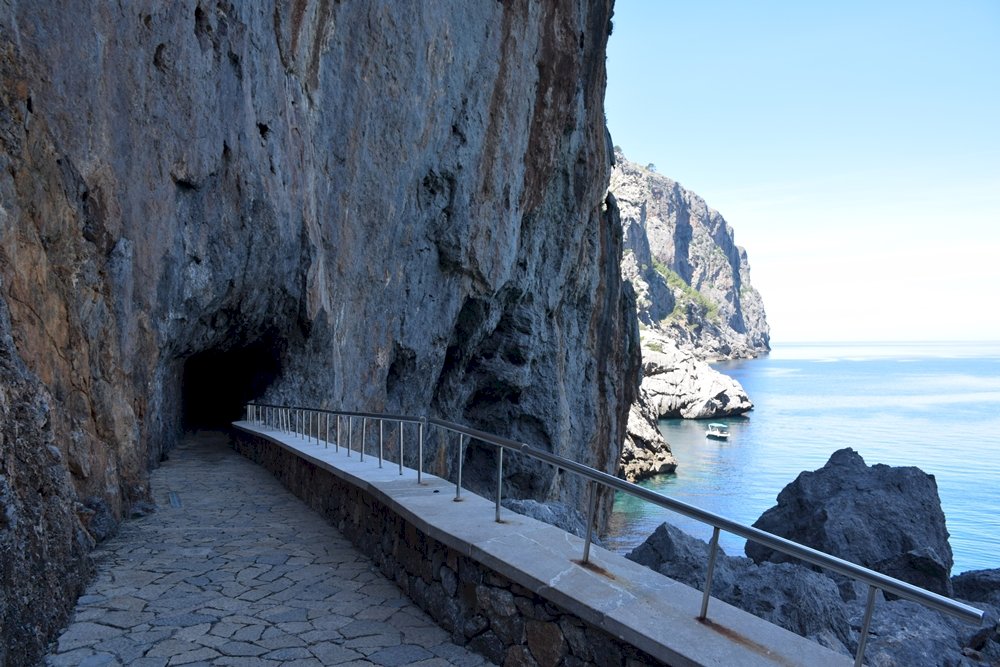
Pedestrian tunnels connecting the boat landing area to the main cove and the canyon entrance. These passages are cut directly through the coastal cliff face.
Look for natural light openings within the tunnels.
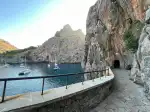
The steep, vertical limestone formations that flank the coastline and the canyon. These formations are most visible from the deck of the boat during the approach.
View the cliff textures from the boat deck.
Prepare for your journey to Sa Calobra by focusing on practical gear and weather-aware planning to ensure a smooth excursion.
Wear sturdy, closed-toe water shoes instead of flip-flops to navigate the pebble beach and slippery rocks safely.
Check the marine forecast before departure, as boat services may suspend operations if north winds create rough water in the Tramuntana region.
Bring your own sun protection and water, as there is limited natural shade within the Torrent de Pareis canyon walls.
Keep your electronics and documents in a waterproof dry bag, as sea spray can reach passengers on the deck during the boat ride.
Limit your trek into the canyon to the designated paths, as the terrain becomes increasingly technical and requires specialized hiking experience further inland.
Everything you need to know about sa calobra boat tour mallorca
While you can reach the cove by car via the winding mountain roads, many visitors prefer a sea approach to appreciate the dramatic limestone cliffs. Taking a boat trip provides a unique perspective of the coastline that is otherwise inaccessible.
The cove itself is free to enter, though boat trips are a separate paid service provided by local maritime companies. Please check the official site for current pricing and scheduling information.
The best arrival window is 09:50–11:00 to avoid the midday crowds and tour buses that arrive later in the day. Planning your departure early ensures a more tranquil experience within the Torrent de Pareis.
There are generally no specific age restrictions for these maritime excursions, making them suitable for families. However, visitors should be prepared for the physical terrain of the canyon once they arrive on shore.
Yes, you can drive to Sa Calobra, but the road is famous for its sharp curves and can be challenging for inexperienced drivers. Parking is limited, so arriving early is highly recommended to secure a spot before the area becomes congested.
Be sure to pack comfortable walking shoes for the canyon path, sunscreen, and plenty of water. Bringing a camera is advised to capture the natural beauty of the Balearic coastline and the unique gorge formations.